






Here's how to live with respiratory allergies day to day
Published 25 Jul 2026 • Updated 29 Jul 2026 • By Léonie Guerut
Living with a respiratory allergy can sometimes make daily life difficult. Sneezing, a runny nose, itching, coughing, or breathing difficulties can disrupt sleep, everyday activities, and overall well-being.
Respiratory allergies, such as allergic rhinitis or allergic asthma, often develop over the long term. However, learning to recognise your triggers, adopting certain habits, and following your treatment plan can help control symptoms more effectively.
How can you limit the impact of respiratory allergies in daily life? Which habits can help you live better with this condition?
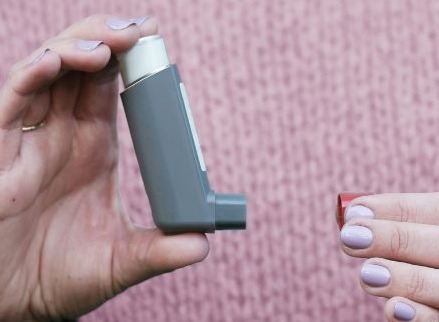
Understanding your allergies to manage them better
The first step in living better with a respiratory allergy is identifying the factors that trigger your symptoms.
The most common allergens include:
- pollen, which is responsible for seasonal allergies;
- dust mites found in household dust;
- mold;
- animal allergens.
Everyone reacts differently. Identifying your own triggers can help you adapt your environment and reduce periods of discomfort.
How can you limit exposure to allergens?
Although it is not always possible to avoid allergens completely, certain habits can help reduce their presence in your environment.
At home
Some useful habits include:
- airing your home every day, when conditions are suitable;
- cleaning dust regularly;
- washing bedding at an appropriate temperature if you are allergic to dust mites;
- limiting humidity to prevent mold from developing;
- avoiding cigarette smoke, which can worsen irritation of the airways.
During pollen seasons
When pollen levels are high, certain precautions may help:
- checking pollen levels in your area;
- avoiding keeping windows open during pollen peaks;
- rinsing your hair or changing clothes after spending a long time outdoors;
- avoiding drying laundry outside during high-risk periods.
The importance of following treatment properly
Respiratory allergies can often be well controlled with appropriate care.
Depending on your symptoms, your doctor may suggest different treatments, such as:
- antihistamines to reduce certain allergic reactions;
- local treatments for the nose or eyes;
- maintenance treatment for allergic asthma;
- allergen immunotherapy in certain situations.
It is important to follow your healthcare professional’s recommendations, even when symptoms improve. Stopping treatment too soon may cause symptoms to return.
How can you manage symptoms better day to day?
Beyond treatment, certain habits can help improve comfort and quality of life.
Protecting sleep quality
Respiratory allergies can disrupt sleep because of a blocked nose, coughing, or waking during the night.
To support better rest, it may help to:
- maintain a regular sleep routine;
- keep the bedroom clean and well ventilated;
- treat nighttime symptoms with the help of a healthcare professional if needed.
Maintaining suitable physical activity
Physical activity remains beneficial for general health and mental well-being.
For some people with allergic asthma, suitable physical activity may also help improve breathing capacity. However, it is important to choose an intensity that matches your health status and to seek advice if symptoms occur during exercise.
Taking care of your mental health
Respiratory allergies can have a psychological impact, especially when they are frequent or difficult to control.
Fatigue linked to symptoms, sleep problems, or limits on certain activities can affect mood.
Talking about it with loved ones or with a healthcare professional can help you cope better with the condition.
Can you live a normal life with respiratory allergies?
Yes. With proper care, many people with respiratory allergies can continue their usual activities.
The goal is not always to avoid all allergens, which is often impossible, but to learn how to manage your environment, symptoms, and treatment more effectively.
Regular medical follow-up also makes it possible to adapt care as the condition changes over time.
When should you see a doctor?
It is recommended to seek medical advice when:
- symptoms become frequent or troublesome;
- usual treatments are no longer effective enough;
- breathing discomfort appears;
- symptoms disrupt sleep or daily activities.
An allergy specialist can also help identify the allergens responsible and suggest an appropriate strategy.
Key takeaways
Living with respiratory allergies often requires a few everyday adjustments, but good organisation can help control symptoms more effectively. Identifying your triggers, limiting exposure to allergens, following your treatment plan, and maintaining healthy lifestyle habits are all important for improving quality of life.
If symptoms persist or become troublesome, medical follow-up can help find an appropriate care plan.
If you found this article helpful, feel free to give it a “Like” and share your thoughts and questions with the community in the comments below!
Take care!
 Facebook
 Twitter
Sources :
Inserm – Allergies : comprendre les mécanismes et les traitements
Assurance Maladie – Rhinite allergique : symptômes, causes et traitements
Organisation mondiale de la Santé (OMS) – Asthme
Société Française d’Allergologie – Informations sur les allergies