World Osteoporosis Day: 10 key figures to better understand osteoporosis
Published 20 Oct 2026 • By Razarutheen Mustafa
Osteoporosis affects millions of people worldwide, often without noticeable symptoms. Many people only discover they have weakened bones after experiencing a fracture. Yet osteoporosis is not simply an inevitable part of ageing, and there are ways to protect bone health and reduce the risk of fractures.
Every year on 20 October, World Osteoporosis Day raises awareness of bone health, osteoporosis prevention and early diagnosis. But how common is osteoporosis, who is most at risk and why does recognising the condition matter? Here are 10 important figures that help explain the disease.
What is osteoporosis?
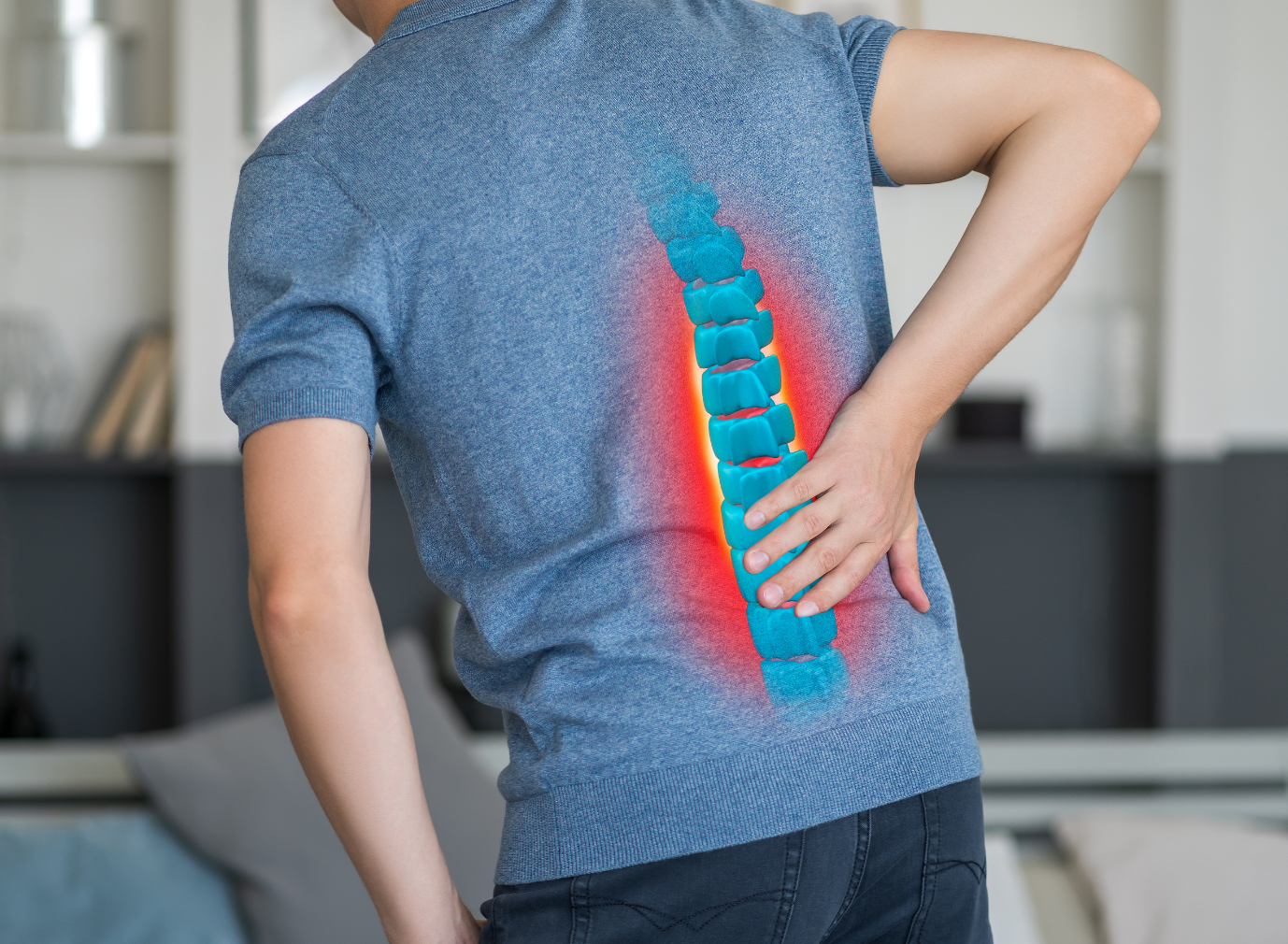
Osteoporosis is a condition that causes bones to become weaker and more fragile, increasing the risk of fractures.
Our bones are living tissue that constantly renews itself. As we age, the balance between bone formation and bone loss can change, leading to reduced bone density.
Osteoporosis often develops without obvious symptoms, which is why it is sometimes called a silent disease.
Although it is more common in older adults and women after the menopause, osteoporosis can also affect men and younger people, particularly when other risk factors are present.
To learn more about the condition, its symptoms, causes and treatments, you can explore Carenity's osteoporosis disease fact sheet.
Osteoporosis in numbers: 10 key figures
1. Around 500 million people worldwide may have osteoporosis
According to estimates reported by the International Osteoporosis Foundation (IOF), approximately 500 million people worldwide may be living with osteoporosis.
This highlights how widespread the condition is, even though many people may not know they have it.
Osteoporosis can remain undetected for years because bone loss does not usually cause pain until a fracture occurs.
2. Around 3.5 million people in the UK have osteoporosis
The Royal Osteoporosis Society estimates that 3.5 million people in the UK are living with osteoporosis.
This means osteoporosis is a significant public health concern, particularly as the population ages.
However, this condition does not affect everyone in the same way. Age, family history, hormonal changes, certain medical conditions and some long-term medications can all influence bone health.
3. One in three women over 50 worldwide will experience an osteoporosis-related fracture
According to the IOF, approximately 1 in 3 women over the age of 50 will experience an osteoporosis-related fracture during their remaining lifetime.
The risk increases after the menopause because declining oestrogen levels can accelerate bone loss.
However, menopause does not automatically mean someone will develop osteoporosis. Individual risk depends on several factors, including bone density, medical history, and lifestyle.
4. One in five men over 50 worldwide will also experience a fracture
Osteoporosis is often associated with women's health, but men are affected too.
The IOF estimates that 1 in 5 men over 50 will experience an osteoporosis-related fracture during their remaining lifetime.
This is an important reminder that osteoporosis screening and fracture prevention should not be overlooked in men, particularly those with risk factors such as previous fractures, long-term steroid treatment or certain medical conditions.
5. Around 70 fragility fractures occur every minute worldwide
The IOF estimates that approximately 37 million fractures occur each year worldwide among people aged over 55, equivalent to around 70 fractures every minute.
A fragility fracture is a broken bone caused by an injury that would not normally break a healthy bone, such as a fall from standing height.
These fractures commonly affect the hip, wrist, and spine.
A fracture after a relatively minor fall should not automatically be dismissed as an ordinary consequence of ageing. It may be a reason to assess bone health.
6. Around 500,000 osteoporosis-related fractures occur in the UK each year
The Royal Osteoporosis Society reports that osteoporosis is associated with approximately 500,000 fractures annually in the UK.
Beyond physical injury, fractures can affect mobility, confidence, and independence.
Some people may become more cautious about walking, exercising or leaving home because they are worried about falling again.
These concerns deserve attention alongside medical treatment. Rehabilitation, appropriate physical activity and fall prevention can all form part of recovery.
7. Up to 80% of people with a fragility fracture may remain undiagnosed or untreated for osteoporosis
The IOF has highlighted that up to 80% of patients who experience a fragility fracture remain undiagnosed and untreated for underlying osteoporosis.
This reflects a major gap in osteoporosis care.
A broken bone may be treated successfully without the underlying reason for bone fragility being investigated.
If you have experienced a fracture following a minor fall or injury, ask your GP whether an osteoporosis risk assessment or bone density scan would be appropriate.
8. A bone density T-score of -2.5 or lower can indicate osteoporosis
A DEXA scan, also called a bone density scan, measures bone mineral density and can help diagnose osteoporosis.
In postmenopausal women and men aged 50 and over, a T-score is commonly interpreted as follows:
| T-score -1.0 or higher Between -1.0 and -2.5 -2.5 or lower | What it generally means Normal bone density Low bone density (osteopenia) Osteoporosis |
These thresholds are not interpreted in exactly the same way for everyone, particularly younger adults.
A DEXA result is also only one part of fracture risk assessment. Your healthcare professional will consider other factors, including age, previous fractures, and medical history. Some people may be diagnosed with osteoporosis even when their T-score is above -2.5.
9. Hip fractures worldwide are projected to nearly double by 2050
Research highlighted by the IOF suggests that the global number of hip fractures could nearly double between 2018 and 2050, largely because of population ageing.
Hip fractures can have a major impact on mobility, independence, and quality of life, particularly among older adults.
However, this projection is not a prediction of what will happen to any individual.
It highlights why osteoporosis prevention, early diagnosis, falls prevention and appropriate treatment remain important public health priorities.
10. World Osteoporosis Day takes place every year on 20 October
20 October is World Osteoporosis Day, an international awareness campaign dedicated to improving understanding of osteoporosis and fracture prevention.
The day encourages people to learn about their personal risk factors, discuss bone health with healthcare professionals, and recognize that fractures caused by fragile bones deserve medical attention.
It is also an opportunity to remind ourselves that bone health matters throughout life, not only after a diagnosis.
What can you do to protect your bone health?
The statistics may seem worrying, but they do not mean fractures are unavoidable.
There are practical ways to support bone health and reduce fracture risk:
Stay physically active: Weight-bearing exercise, strength training, and balance activities can help support bone strength and reduce falls. Choose activities appropriate to your health and fracture risk.
Pay attention to nutrition: Calcium, vitamin D, and adequate protein are important for healthy bones.
Avoid smoking and limit alcohol: Both can affect bone health and increase fracture risk.
Review your medications: Some medicines, including long-term oral corticosteroids, can increase the risk of osteoporosis. Never stop prescribed medication without medical advice.
Ask about your personal fracture risk: Your GP may recommend a fracture risk assessment, such as FRAX or QFracture, and possibly a DEXA scan.
For practical nutrition advice, read Carenity's article Osteoporosis and diet: What should you eat (and avoid) for stronger bones?
If you already have osteoporosis, your healthcare team can also discuss whether medication to reduce fracture risk is appropriate. Lifestyle changes are important, but they do not replace prescribed treatment when it is needed.
When should you speak to your GP about osteoporosis?
Because osteoporosis often develops without symptoms, waiting for pain is not always the best approach.
Consider discussing your bone health with your GP if you have experienced a fracture after a minor injury, noticed unexplained height loss, developed persistent back pain or other risk factors for osteoporosis.
Before your appointment, it may help to note:
- Any previous fractures and how they happened,
- Whether you have noticed changes in height or posture,
- A family history of osteoporosis or hip fractures,
- Any long-term medications you take,
- Medical conditions that may affect bone health,
- Any recent falls or concerns about balance.
You can also ask whether a bone density scan, fracture risk assessment, or osteoporosis treatment review would be appropriate.
Sudden severe back pain, a suspected hip fracture or an inability to bear weight after a fall requires prompt medical assessment. If you suspect a serious fracture, seek urgent help rather than waiting for a routine GP appointment.
Living with osteoporosis: finding support and understanding
A diagnosis of osteoporosis can raise questions about exercise, everyday activities, treatment, and the possibility of future fractures.
Some people worry about losing independence, while others find it difficult to know which activities are safe.
Talking to people who understand these concerns can sometimes help.
The Carenity UK osteoporosis community offers a space to exchange experiences, discuss living with the condition and learn how others approach conversations with their healthcare teams.
Reading members' experiences may help you identify questions to ask at your next appointment. However, another person's treatment or exercise routine may not be suitable for you, so medical decisions should remain individual.
World Osteoporosis Day is not only about understanding numbers. It is about recognising that bone health deserves attention before a fracture occurs, and that people living with osteoporosis can benefit from appropriate treatment, practical support, and reliable information.
Frequently Asked Questions
1. What is World Osteoporosis Day?
World Osteoporosis Day takes place on 20 October each year to raise awareness of osteoporosis, bone health and fracture prevention.
2. How common is osteoporosis in the UK?
The Royal Osteoporosis Society estimates that approximately 3.5 million people in the UK are living with osteoporosis.
3. What are the first signs of osteoporosis?
Osteoporosis often causes no noticeable symptoms until a fracture occurs. Height loss, changes in posture, or back pain may sometimes indicate spinal fractures.
4. Can osteoporosis be prevented?
Not all cases can be prevented, but regular exercise, adequate calcium, and vitamin D, avoiding smoking and managing risk factors can help protect bone health.
5. How is osteoporosis diagnosed?
Osteoporosis is commonly assessed using a DEXA bone density scan alongside fracture risk factors, medical history, and clinical assessment.
If you found this article helpful, feel free to give it a “Like” and share your thoughts or experiences with the community in the comments below!
Take care!
 Facebook
 Twitter
Sources:
International Osteoporosis Foundation - “Epidemiology of osteoporosis and fragility fractures”
Royal Osteoporosis Society - “Media toolkit: Key facts and statistics”
Royal Osteoporosis Society - “England flatlining on osteoporosis care: New analysis warns” (2026)

Comments
You will also like

Fifteen percent of osteoporosis patients who take 'drug holidays' suffer bone fractures
7 May 2018 • 8 comments

Osteoporosis and osteopetrosis: "I just have to listen to my body and do what it asks me to do"
28 Sept 2022 • 1 comment