





Finding the right eczema cream: what do dermatologists recommend?
Published 26 Aug 2026 • By Gilda Teissier
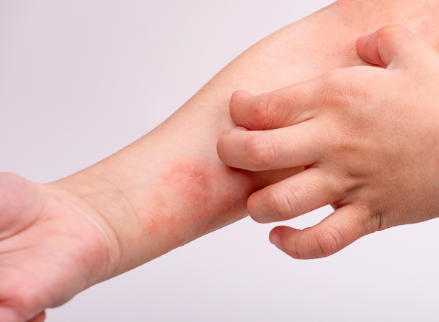
Dermatologists across the UK and Europe consistently place regular, generous use of emollients at the centre of eczema management. The goal is to repair the defective skin barrier, reduce transepidermal water loss and minimise flares before anti-inflammatory treatments become necessary. Choice of cream depends on severity, body site, patient preference and tolerance rather than a single “best” product.
Why the skin barrier matters
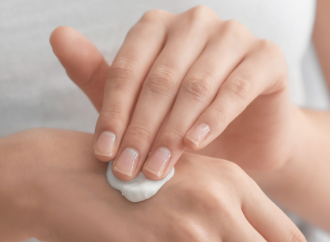
Atopic eczema involves a genetically impaired barrier that allows allergens, irritants and microbes to penetrate more easily. Restoring lipids and moisture is therefore the fundamental step in every major guideline, including the 2025 EuroGuiDerm update and NICE recommendations. Emollients create an occlusive layer, supply missing lipids and draw water into the outer epidermis.
Key benefits of consistent barrier repair include:
- reduced transepidermal water loss,
- lower risk of irritant and allergen penetration,
- decreased frequency and severity of flares,
- improved efficacy of topical corticosteroids when needed,
- better overall skin comfort and quality of life.
Applied frequently and liberally – typically 250-500 g per week for an adult – emollients form the base of every treatment plan.
Emollients as first-line therapy
Leave-on emollients remain the daily mainstay for all severities of eczema. Dermatologists favour fragrance-free, sodium-lauryl-sulfate-free formulations. The choice of vehicle influences both efficacy and adherence.
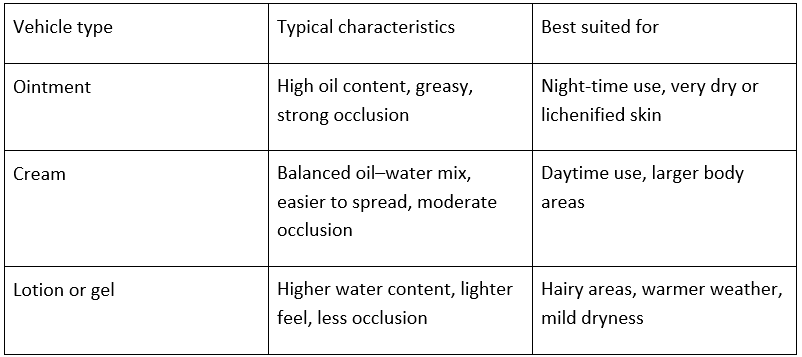
Commonly recommended bases in UK practice contain petrolatum, liquid paraffin, ceramides, glycerine, urea or colloidal oatmeal. Products such as Cetraben, Epaderm, Doublebase and Aveeno Dermexa appear frequently on primary-care formularies because they balance efficacy, tolerability and cost. The best emollient is the one the patient will actually use consistently.
When topical corticosteroids enter the picture
For active inflammation, a stepped approach is standard. Treatment intensity is matched to severity and body site, then reduced as control is achieved.
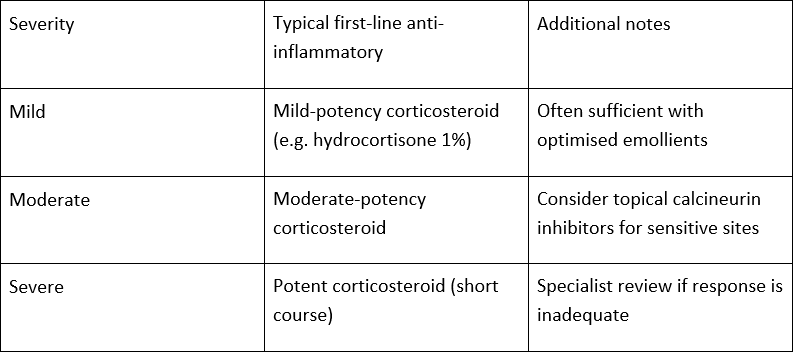
Facial, flexural and genital sites are treated more cautiously with lower potencies. Once control is achieved, treatment is stepped down while emollient use continues uninterrupted. Topical calcineurin inhibitors (tacrolimus, pimecrolimus) offer a steroid-sparing alternative for sensitive sites or longer-term cover.
Ingredients dermatologists prioritise
Beyond simple occlusives, clinicians look for formulations that actively support barrier recovery. Preferred components include:
- ceramides and cholesterol to replenish intercellular lipids,
- humectants such as glycerine, urea or hyaluronic acid to attract and hold water,
- colloidal oatmeal or niacinamide for additional anti-inflammatory and soothing effects,
- avoidance of fragrance, essential oils and known sensitisers that can provoke contact dermatitis.
Evidence from randomised trials and systematic reviews confirms that daily moisturisation with these components lengthens the interval between flares and improves both clinical scores and quality of life.
Practical considerations for British and European patients
Climate, clothing and daily routines influence product choice. Useful practical points include:
- thicker ointments or heavy creams in cooler, drier months,
- lighter creams or gels in warmer weather or under clothing,
- pump dispensers to reduce contamination risk compared with open jars,
- application immediately after bathing while the skin is still damp,
- sufficient quantity to leave a visible sheen on the skin,
- keeping a short course of topical corticosteroid available for early intervention under agreed medical guidance.
Specialist and emerging options
For patients seeking steroid-free, plant-derived barrier-repair formulations, European manufacturers have developed ranges that combine high concentrations of botanical oils, extracts and antioxidants. One such range is available at dermzlabs.com. These products sit within the broader category of dermocosmetics that complement, rather than replace, evidence-based medical therapy. Systemic treatments – biologics and JAK inhibitors – are reserved for moderate-to-severe disease that has not responded adequately to optimised topical care and are initiated under secondary-care supervision.
Ultimately, dermatologists recommend a personalised regimen built around consistent emollient use, appropriate anti-inflammatory treatment for flares, and regular review. Matching the vehicle and ingredients to the individual’s skin, lifestyle and preferences remains the most reliable route to sustained control.
If you found this article helpful, feel free to give it a “Like” and share your thoughts and questions with the community in the comments below!
Take care!
 Facebook
 Twitter