HIV among older adults: a reality that remains little known
Published 13 Nov 2026 • By Razarutheen Mustafa
When we think about HIV, older adults are rarely the first people who come to mind. Yet more people are growing older with HIV, and others are receiving their first diagnosis after the age of 50. Despite medical progress, misconceptions about HIV and ageing can still lead to delayed testing, stigma and gaps in healthcare.
Can you develop HIV later in life? Why is it sometimes diagnosed late in older people, and what does living well with HIV after 50 look like today?

HIV after 50: more common than many people realise
HIV (human immunodeficiency virus) affects the immune system. Without treatment, it can progressively weaken the body's ability to fight infections and may eventually lead to AIDS.
However, modern antiretroviral therapy (ART) has transformed HIV into a manageable long-term condition for many people.
According to the UK Health Security Agency (UKHSA), 52% of people receiving HIV care in England in 2024 were aged 50 or over, compared with 26% in 2015.
This reflects two important realities: people diagnosed earlier in life are living longer thanks to effective treatment, and HIV can also be acquired and diagnosed later in adulthood.
Age does not protect someone from HIV, and an HIV diagnosis does not mean that a person cannot grow older and enjoy a fulfilling life.
Why is HIV sometimes diagnosed late in older adults?
HIV is often associated with younger populations, which can create a false sense that people over 50 are not at risk.
Several factors may contribute to late HIV diagnosis in older adults:
- Low awareness: Some people may not consider HIV testing relevant to their age.
- Overlapping symptoms: Fatigue, unexplained weight loss or recurring infections may initially be attributed to other conditions.
- Limited conversations about sexual health: Patients and healthcare professionals may feel uncomfortable discussing sexuality later in life.
- Stigma: Fear of judgement may discourage people from requesting an HIV test.
HIV can remain without noticeable symptoms for years. Therefore, symptoms alone cannot confirm or rule out infection.
In England, 42% of newly diagnosed adults with available clinical information were diagnosed late in 2024, according to UKHSA data.
A late diagnosis matters because HIV may already have weakened the immune system before treatment begins.
For more information about testing, read Carenity's article HIV: What are the different blood tests available?.
If you think you may have been exposed to HIV, speak to a sexual health clinic or GP about testing, regardless of your age. Testing is confidential and available free through NHS sexual health services.
If a possible exposure occurred within the past 72 hours, seek urgent advice about post-exposure prophylaxis (PEP), which must be started promptly.
Living with HIV after 50: what are the health challenges?
Growing older with HIV can involve managing the virus alongside other health conditions.
Some people may experience cardiovascular disease, osteoporosis, diabetes or kidney problems as they age.
These conditions are not necessarily caused by HIV. Ageing, individual risk factors, HIV-related inflammation and certain treatments can all play a role.
Regular medical follow-up is therefore essential.
Healthcare professionals may monitor:
- Viral load and immune health, to assess how well HIV treatment is working.
- Heart and metabolic health, including blood pressure, cholesterol and blood glucose.
- Bone and kidney health, according to individual risk factors.
- Medication interactions, particularly when several treatments are prescribed.
- Mental health and wellbeing, including loneliness, anxiety or depression.
The aim is not simply to control the virus, but to support healthy ageing and quality of life with HIV.
Can HIV treatment help older adults live a normal life?
Yes. With effective treatment and appropriate medical care, many people living with HIV can expect to live long and healthy lives.
Antiretroviral therapy (ART) reduces the amount of HIV in the blood and helps protect the immune system.
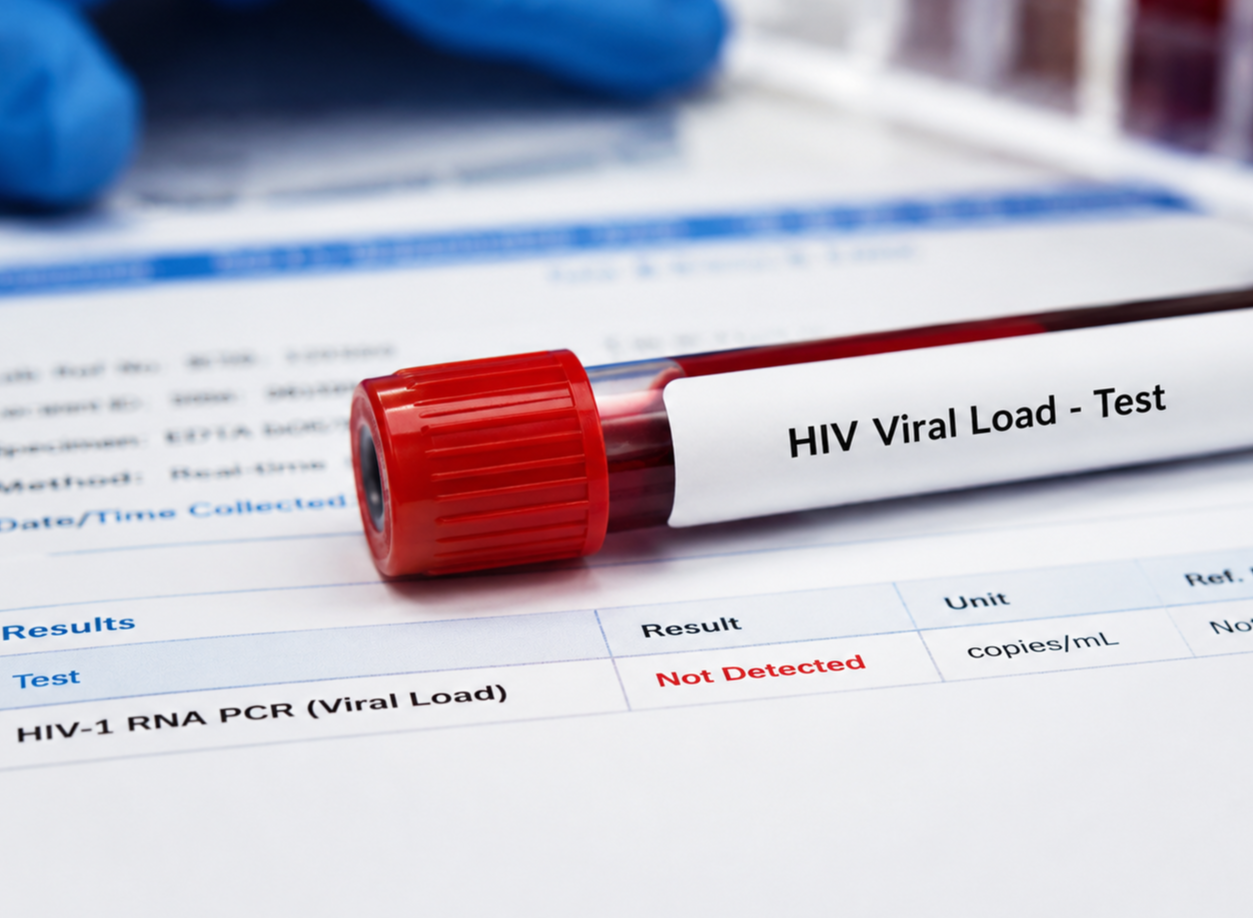
When treatment maintains an undetectable viral load, HIV cannot be transmitted through sex. This is known as U=U: Undetectable = Untransmittable.
An undetectable viral load does not mean HIV has been cured. Continuing treatment and regular monitoring remains essential.
To understand this important concept, read Carenity's article HIV viral load: What going from detectable to undetectable really means.
Older adults may also need treatment adjustments because of other medical conditions or interactions between medicines.
You can explore the different treatment approaches in Everything you need to know about HIV treatments, PrEP and viral load!.
Never stop or change HIV medication without consulting your specialist healthcare team.
HIV, ageing and stigma: why talking about it matters
For some older adults, living with HIV involves challenges beyond physical health.
They may worry about disclosing their diagnosis, starting a new relationship, discussing sexual health or experiencing discrimination in healthcare and social care settings.
Yet HIV cannot be transmitted through everyday contact such as hugging, shaking hands or sharing meals.
Carenity explores these challenges in its HIV and discrimination fact sheet.
Respectful conversations, accurate information and confidential healthcare can help reduce stigma.
People living with HIV deserve the same dignity, relationships and opportunities for healthy ageing as anyone else.
When should you speak to your doctor?
Whether you have recently received an HIV diagnosis or have been living with the condition for many years, regular follow-up can help you manage your health as you age.
Before your next appointment, consider noting:
- Any new or persistent symptoms, such as fatigue or unexplained weight changes.
- All medicines and supplements you take, including those prescribed by other specialists.
- Concerns about treatment side effects or missed doses.
- Questions about cardiovascular, bone or kidney health.
- Any difficulties involving relationships, sexual health or emotional wellbeing.
If you have never been tested for HIV but believe you may have been exposed, you can ask for a test without needing to explain or justify your age.
Your GP or HIV specialist can help determine what tests, treatment or additional support may be appropriate.
Finding support in the Carenity HIV community
Living with HIV can raise different questions throughout life, especially when ageing brings new health or personal concerns.
The Carenity UK HIV/AIDS community offers a space to exchange experiences about treatments, relationships and everyday challenges.
You can also read the member discussion Clichés and stigma around HIV, where people share experiences of misunderstanding and discrimination.
These conversations may help you prepare questions for your healthcare team and find reassurance from others, although personal experiences should not replace medical advice.
HIV does not disappear from someone's life when they turn 50, and neither should access to testing, treatment, understanding or support. Recognising the realities of HIV among older adults is an important step towards more inclusive healthcare.
Frequently Asked Questions
1. Can you get HIV after the age of 60?
Yes. HIV can be acquired at any age through recognised routes of transmission. Age alone does not eliminate the need for prevention or testing.
2. Why is HIV sometimes diagnosed late in older adults?
Symptoms may be overlooked, testing may not be considered, and misconceptions about sexual health in later life can delay diagnosis.
3. Can older people with HIV live a long life?
Yes. With effective antiretroviral treatment and regular healthcare, many people living with HIV can enjoy long, healthy lives.
4. Is HIV treatment different for older adults?
The treatment principles are similar, but doctors may consider other health conditions, kidney function and possible interactions with existing medicines.
5. Can someone with undetectable HIV transmit the virus sexually?
No. People who maintain an undetectable viral load through effective treatment do not transmit HIV through sex. This is known as U=U.
If you found this article helpful, feel free to give it a “Like” and share your thoughts or experiences with the community in the comments below!
Take care!
 Facebook
 Twitter
Sources:
Shah A, et al.: “Risk factors for late HIV diagnosis in England, 2015–2023.” HIV Medicine (2025)