






Movember and Smoke-Free Month: Could November be your fresh start?
Published 23 Nov 2026 • By Razarutheen Mustafa
November is a month dedicated to raising awareness about health. While Movember puts men's health in the spotlight, France's Smoke-Free Month (Mois sans tabac) encourages people to take on a 30-day challenge to quit smoking. Both campaigns offer an opportunity to reflect on habits, health and the support we sometimes need to make a change.
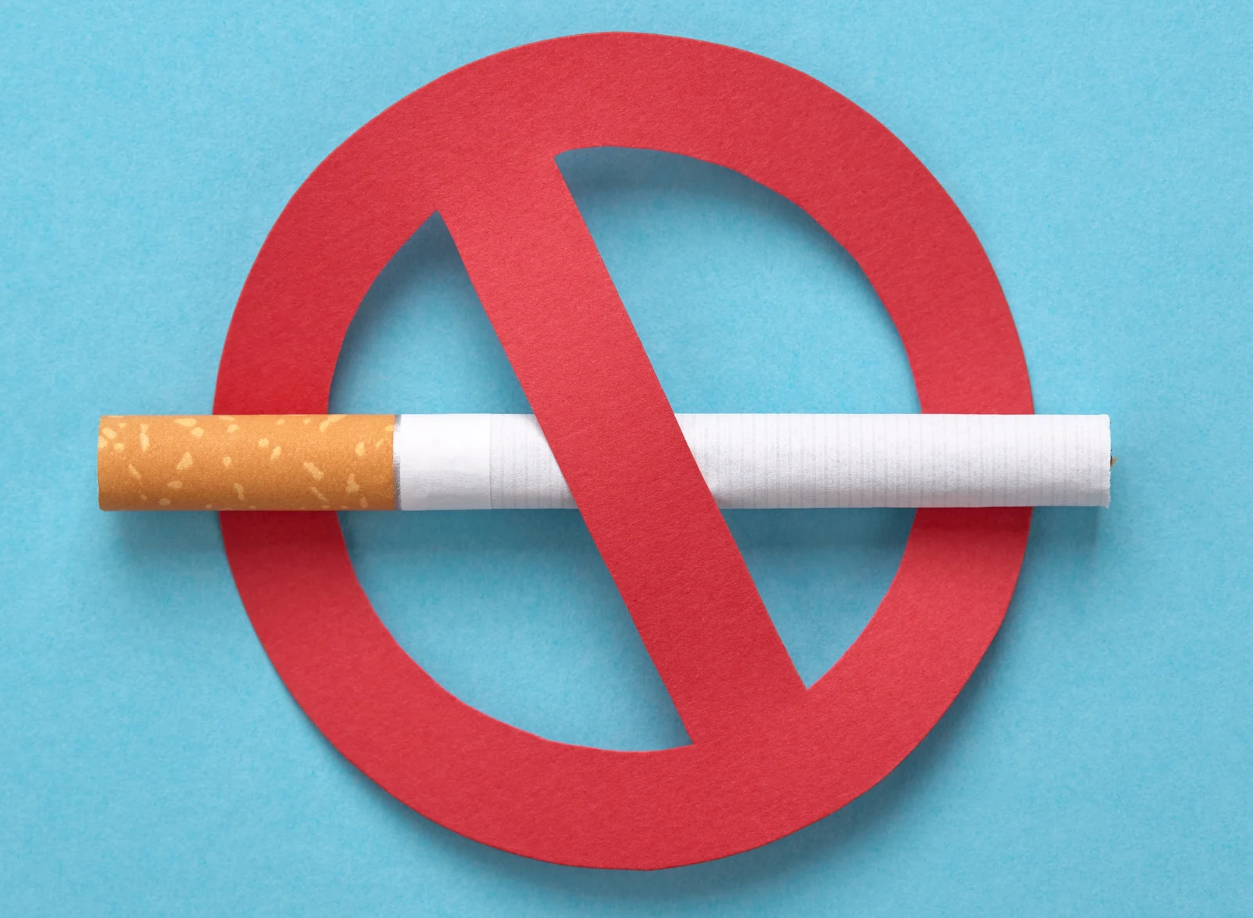
If you have been thinking about quitting smoking, could this November be the right moment to begin? What happens to your body when you stop, how can you manage nicotine cravings, and where can you find help?
Movember and Smoke-Free Month: what's the connection?
Every November, Movember raises awareness about men's health, particularly prostate cancer, testicular cancer, mental health and suicide prevention.
During the same month, France organises Mois sans tabac, a national campaign encouraging people who smoke to try going without cigarettes for 30 days.
Although these are separate initiatives, they share an important message: taking action to protect your health matters, and support can make a difference.
In the UK, the equivalent annual stop-smoking awareness campaign is Stoptober, held in October. However, NHS stop-smoking services are available throughout the year.
For anyone living with a chronic illness, November can be another opportunity to consider the benefits of becoming smoke-free.
Why is quitting smoking important, especially with a chronic illness?
Smoking affects almost every organ in the body and increases the risk of several serious health conditions, including cardiovascular disease, stroke, lung cancer and chronic obstructive pulmonary disease (COPD).
For people already managing a long-term condition, smoking can create additional health challenges.
For example:
- COPD and respiratory conditions: Smoking can worsen respiratory symptoms and accelerate lung damage.
- Diabetes: Smoking increases cardiovascular risk and can make blood glucose management more difficult.
- Heart disease: Smoking damages blood vessels and increases the risk of heart attack and stroke.
- Cancer: Continuing to smoke after a cancer diagnosis can increase the risk of certain complications and affect treatment outcomes.
However, smoking is not the only cause of these conditions, and people living with them should never be reduced to their smoking history.
Carenity explores this important distinction in COPD and smoking: Understanding without shame or blame.
You can also read Smoking with diabetes: What are the risks? to understand the relationship between tobacco use and diabetes complications.
What happens to your body when you quit smoking?
The benefits of quitting smoking begin sooner than many people realise. According to the NHS, your body starts recovering shortly after your last cigarette.
After 20 minutes: Your heart rate begins to return towards normal.
After 48 hours: Carbon monoxide levels in your blood fall substantially, and your sense of taste and smell may begin to improve.
After 72 hours: Your airways begin to relax, which may make breathing feel easier.
After 2 to 12 weeks: Blood circulation starts to improve, making everyday physical activities feel easier for some people.
After 3 to 9 months: Coughing, wheezing and breathing difficulties may gradually improve as lung function recovers.
After 1 year: Your risk of having a heart attack is around half that of someone who continues smoking.
Over the following years: Your risk of heart disease, stroke and several smoking-related cancers continues to decrease compared with continuing to smoke.
These timelines are general estimates. The benefits vary depending on your smoking history, existing health conditions and individual circumstances.
Even if you have smoked for many years, quitting can still make a meaningful difference to your health.
For more information about the effects of tobacco, explore Carenity's article World No Tobacco Day: What is tobacco and how does it affect our health?
How can you prepare for a smoke-free November?
Quitting smoking can be challenging because nicotine causes physical dependence, and cigarettes may also become connected to everyday routines, stress or social situations.
A realistic plan can make the process more manageable.
1. Choose a quit date
Select a day when you would like to stop smoking.
You do not have to wait for the beginning of a month. Any day can be a starting point.
2. Identify your smoking triggers
Notice when you feel most tempted to smoke.
Common triggers include:
- Drinking coffee or alcohol.
- Feeling stressed or anxious.
- Taking breaks at work.
- Spending time with people who smoke.
- Finishing a meal.
Understanding your triggers can help you prepare alternative routines.
3. Plan how to manage nicotine cravings
Nicotine withdrawal symptoms can include irritability, restlessness, difficulty concentrating, sleep disturbances and strong urges to smoke.
These symptoms are often most intense during the first few days and generally become more manageable over time.
When a craving appears, you could try drinking water, taking a short walk, changing your surroundings or practising slow breathing.
If cravings are difficult to manage, ask a healthcare professional about stop-smoking treatments.
4. Consider professional support
Quitting does not have to depend on willpower alone.
Nicotine replacement therapy (NRT), including patches, gum and lozenges, can help manage nicotine withdrawal.
Prescription medicines such as varenicline, cytisinicline and bupropion may also be suitable for some adults.
These treatments have different benefits, side effects and precautions. A GP, pharmacist or stop-smoking adviser can help you choose an appropriate option.
Combining behavioural support with an effective stop-smoking treatment can improve the chances of quitting successfully.
Do not start, stop or change prescription medicines without professional advice. If you take regular medication, tell your healthcare team that you are quitting smoking, as stopping tobacco smoke exposure can change how the body processes certain medicines.
What if you smoke again during your quit attempt?
A cigarette after several smoke-free days does not erase the progress you have made.
Nicotine dependence can be difficult to overcome, and some people need several attempts before quitting long term.
Rather than treating a lapse as a failure, consider what happened.
Was it stress, a social situation, an unexpected craving or a particularly difficult day?
Identifying the trigger may help you adjust your plan.
You can also contact your GP, pharmacist or local NHS Stop Smoking Service for additional support.
Quitting smoking is a process, and asking for help is part of that process.
When should you speak to your doctor?
If you live with a chronic illness or take regular medication, discussing your plans to quit smoking with your GP can be particularly helpful.
Before your appointment, consider noting:
- Your smoking habits: How many cigarettes you smoke and when cravings are strongest.
- Previous attempts: What helped and what made quitting difficult.
- Your medical history: Any respiratory, cardiovascular or mental health conditions.
- Current medication: Prescription medicines, over-the-counter treatments and supplements.
- Your concerns: Withdrawal symptoms, weight changes, stress or treatment side effects.
Your healthcare professional can help you create a personalised smoking cessation plan and discuss suitable treatments.
If you experience persistent coughing, worsening breathlessness or other new symptoms, arrange a medical assessment rather than assuming they are simply part of quitting.
Finding encouragement in the Carenity community
For people living with chronic conditions, quitting smoking may involve physical, emotional and practical challenges.
The Carenity UK community forums offer a space to exchange experiences about lifestyle changes, treatments and everyday health.
You can also explore Carenity's COPD community and type 2 diabetes community, where members discuss managing their conditions and making changes to their routines.
Reading other people's experiences may offer encouragement and help you prepare questions for your healthcare team, although individual medical advice remains essential.
This November, you do not need to promise yourself a perfect month. Whether you are preparing to quit, trying again or celebrating another smoke-free day, every step towards reducing tobacco-related harm is worth recognising.
Frequently Asked Questions
1. What is the difference between Movember and Smoke-Free Month?
Movember focuses on men's health, while France's Smoke-Free Month encourages people to quit smoking for 30 days during November. They are separate campaigns.
2. Is 30 days enough to quit smoking permanently?
Thirty days can help establish new routines, but nicotine dependence and relapse risk may continue beyond the first month. Ongoing support can help.
3. What are the hardest days when quitting smoking?
Nicotine withdrawal symptoms are often strongest during the first few days, although cravings can return later.
4. Can nicotine patches help me stop smoking?
Yes. Nicotine patches and other NRT products can reduce withdrawal symptoms. Combining treatments with behavioural support can improve success rates.
5. Is it too late to quit smoking after many years?
No. Quitting smoking can improve health and reduce future risks at any age, including for people living with chronic illnesses.
If you found this article helpful, feel free to give it a “Like” and share your experiences or thoughts with the community in the comments below!
Take care!
 Facebook
 Twitter
Sources:
Santé publique France: Mois sans tabac
NHS: Stop smoking services help you quit
NICE: Tobacco: preventing uptake, promoting quitting and treating dependence (NG209)