Seasonal depression or a dip in mood: how can you tell the difference?
Published 1 Nov 2026 • By Razarutheen Mustafa
As autumn turns into winter, shorter days, colder weather and less sunlight can sometimes leave us feeling tired, unmotivated or unusually low. For some people, this is a temporary change in mood. For others, it may be a sign of seasonal affective disorder (SAD), a form of depression linked to the changing seasons.
But how can you tell the difference between the winter blues and seasonal depression? Which symptoms should you look out for, and when is it time to seek support?
What is seasonal depression?
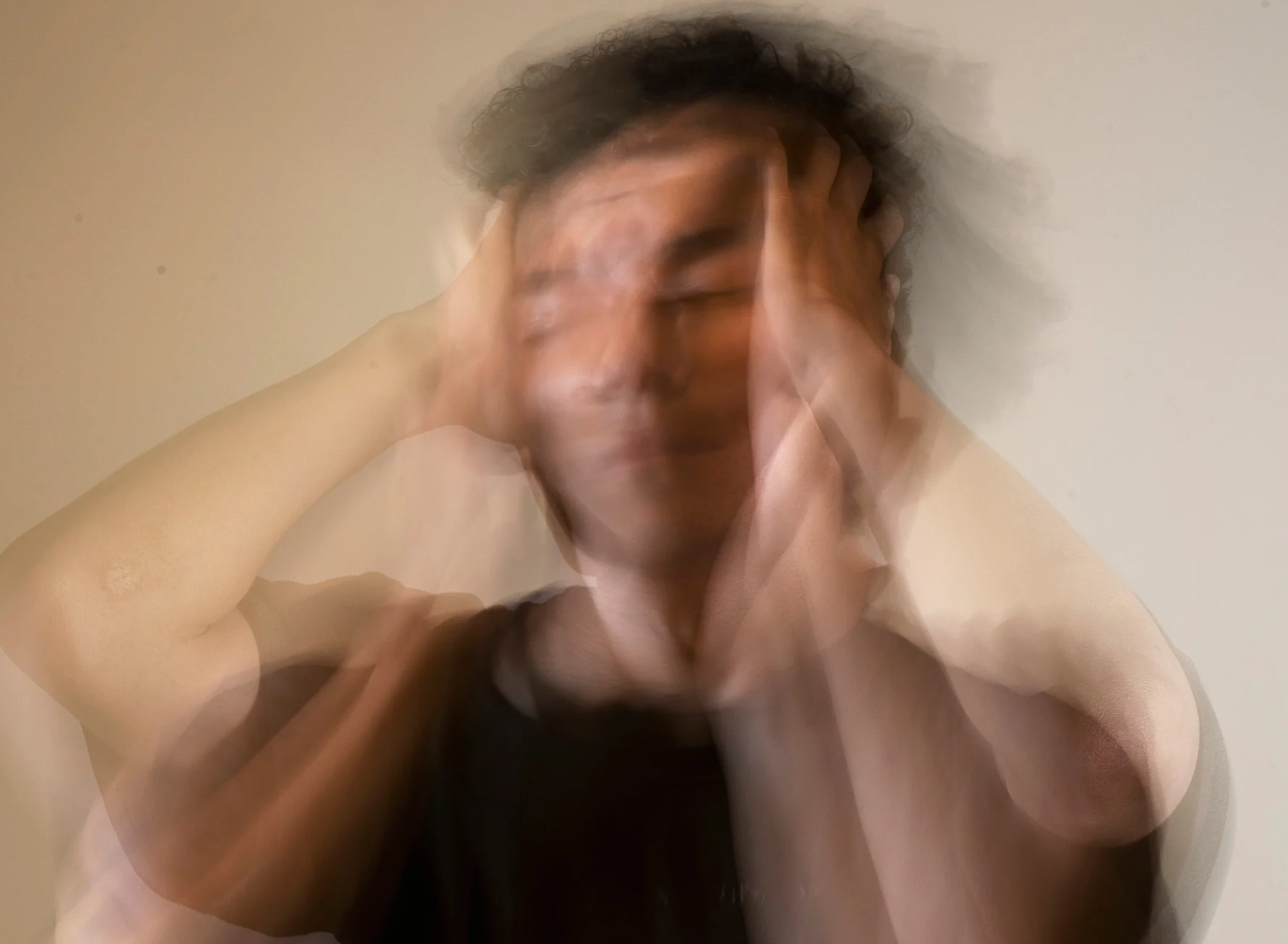
Seasonal affective disorder (SAD) is a type of depression in which symptoms follow a recurring seasonal pattern.
It most commonly begins during autumn or winter, when daylight hours become shorter, and improves during spring or summer. However, some people experience seasonal depression during the warmer months.
The exact causes of SAD are not fully understood. Researchers believe that changes in daylight exposure may affect the body's internal clock, also known as the circadian rhythm, and biological processes involved in sleep and mood.
Seasonal depression is more than simply disliking winter. It can affect energy levels, concentration, sleep, appetite, relationships and the ability to manage everyday responsibilities.
To understand the broader symptoms of depressive disorders, you can explore Carenity's depression fact sheet.
Winter blues or seasonal affective disorder: what's the difference?
Feeling less energetic or slightly down during the colder months does not necessarily mean you have depression.
A temporary seasonal dip in mood, sometimes called the winter blues, may involve lower motivation, tiredness or a desire to spend more time indoors.
Seasonal affective disorder, on the other hand, involves depressive symptoms that are more persistent and significantly affect daily life.
| A temporary dip in mood | Possible seasonal depression (SAD) |
| Feeling low occasionally | Persistent low mood or sadness |
| Having less energy than usual | Significant fatigue or exhaustion |
| Still enjoying most usual activities | Losing interest in activities previously enjoyed |
| Managing everyday responsibilities | Struggling with work, relationships or daily tasks |
| Mood may improve relatively quickly | Symptoms persist and may return during the same season |
This comparison is not a diagnostic test. Symptoms can overlap, and depression may occur without a clear seasonal pattern.
If low mood lasts for two weeks or longer, particularly when accompanied by loss of interest or significant disruption to daily life, it is worth speaking to your GP.
You can also read Carenity's article Depression: When should you consider therapy? to learn more about recognising when professional support may be helpful.
What are the warning signs of seasonal affective disorder?
The symptoms of winter-pattern seasonal depression can include:
- Persistent low mood: Feeling sad, empty, hopeless or unusually irritable.
- Loss of interest: No longer enjoying hobbies, social activities or everyday pleasures.
- Excessive tiredness: Feeling exhausted despite getting enough sleep.
- Changes in sleep: Sleeping longer than usual or struggling to get out of bed.
- Changes in appetite: Eating more than usual, sometimes with increased cravings for carbohydrates.
- Difficulty concentrating: Finding it harder to focus, remember information or make decisions.
- Social withdrawal: Avoiding friends, family or activities you would normally enjoy.
Not everyone experiences the same symptoms.
Some people with seasonal depression have difficulty sleeping or experience changes in appetite in the opposite direction, particularly with summer-pattern SAD.
The emotional effects may also be accompanied by physical symptoms.
Carenity explores this connection in How does depression affect our body?.
Why does the seasonal pattern matter?
One of the main characteristics of SAD is that depressive episodes tend to occur at a similar time of year.
For example, someone may notice that their mood begins to deteriorate every November, improves in spring and follows a similar pattern the following year.
When assessing seasonal depression, healthcare professionals consider whether symptoms have followed a recurring seasonal pattern over at least two years, alongside other diagnostic criteria.
However, you should not wait two years before asking for help if you are struggling.
A first episode of depression deserves attention, whether or not it is eventually identified as seasonal.
In Carenity's testimonial Treatment-resistant depression: I relapse systematically at the same time every year, a member describes experiencing depressive episodes as winter approaches.
Her story illustrates how recurring symptoms can affect everyday life and why appropriate medical follow-up matters. Her experience is individual and should not be taken as typical of everyone with SAD.
What can help when your mood drops during winter?
If you notice that your mood changes during the colder months, a few adjustments may help support your wellbeing.
Make the most of natural daylight
Try spending some time outdoors during daylight hours, even when the weather is cloudy.
A short walk or another suitable outdoor activity can also provide an opportunity for movement and a change of environment.
Maintain a regular sleep routine
Going to bed and waking up at similar times can help support your body's natural sleep-wake cycle.
Try to avoid major changes in your sleep schedule, particularly if you already struggle with fatigue or excessive sleeping.
Stay connected with others
When your mood is low, socialising may feel difficult.
You do not need to attend every gathering, but maintaining contact with a trusted friend, family member or support group can help reduce isolation.
Choose manageable physical activities
Regular movement can support physical and mental wellbeing.
Walking, swimming, stretching or other enjoyable activities may help, depending on your health and energy levels.
These habits can support wellbeing, but they are not substitutes for treatment when someone is experiencing clinical depression.
Can light therapy help seasonal depression?
Light therapy involves using a specially designed bright light box, sometimes called a SAD lamp, to simulate daylight exposure.
Some people report improvements in their symptoms, but research findings are mixed. The NHS and NICE note that the evidence for its effectiveness remains uncertain.
Light therapy may also be unsuitable for people with certain eye conditions, bipolar disorder or those taking medicines that increase sensitivity to light.
Before purchasing or using a SAD lamp, discuss it with your GP, particularly if you have another medical condition or take regular medication.
To learn more, read Carenity's article Light therapy: What is it and how can it benefit our health?.
When should you speak to your GP about seasonal depression?
If low mood is persistent, worsening or affecting your ability to work, maintain relationships or manage daily activities, consider making an appointment with your GP.
A healthcare professional can assess your symptoms and consider whether they may be related to depression, another mental health condition, a physical health problem or medication effects.
Before your appointment, it may help to note:
- When symptoms began: Including whether they appear at a particular time of year.
- Mood changes: How often you feel low, anxious, irritable or hopeless.
- Sleep and appetite: Any noticeable changes in your usual patterns.
- Energy and concentration: Whether fatigue or difficulty focusing affects daily activities.
- Previous episodes: Whether similar symptoms occurred during earlier winters or summers.
- Medical history and medication: Any existing conditions, treatments or recent changes.
- Impact on everyday life: Changes in work, relationships, social activities or self-care.
Your GP may recommend cognitive behavioural therapy (CBT), other psychological therapies or antidepressant medication, depending on the severity of your symptoms, medical history and preferences.
You can learn more about these approaches in Carenity's depression treatment information.
If you are prescribed antidepressants, do not stop or change your medication without medical advice.
In England, adults can also refer themselves to NHS Talking Therapies for anxiety and depression without first seeing a GP, where the service is available.
What if your mood becomes overwhelming?
Sometimes, low mood can develop into significant emotional distress.
If you experience persistent hopelessness, feel unable to cope or have thoughts of self-harm, seek professional support promptly.
For urgent mental health support in the UK:
- If you or someone else is in immediate danger, call 999 or go to A&E.
- For urgent mental health help that is not an immediate emergency, contact NHS 111 in England and select the mental health option. Elsewhere in the UK, use the relevant local NHS urgent mental health service.
- You can also contact Samaritans on 116 123, free, at any time, for emotional support.
You do not need to be certain that you have seasonal depression before asking for help.
Finding support in the Carenity community
Living with recurring low mood or depression can sometimes feel isolating, especially when those around you do not fully understand what you are experiencing.
The Carenity UK depression community provides a space to discuss symptoms, treatments, everyday challenges and emotional wellbeing.
You can read members' experiences, including discussions about managing difficult days, finding motivation and recognising when additional support is needed.
These conversations may help you feel less alone and prepare questions for your next medical appointment. However, another member's experience should not replace personalised medical advice.
Understanding your mood is an important first step
Not every difficult winter is a sign of seasonal affective disorder, and not every episode of depression follows a seasonal pattern.
What matters most is recognising when changes in mood are becoming persistent, distressing or disruptive.
Whether you are experiencing a temporary seasonal dip or symptoms of depression, your wellbeing deserves attention. Understanding the pattern, talking about your experience and seeking appropriate support can help you find a way forward.
Frequently Asked Questions
1. What is the difference between winter blues and seasonal depression?
Winter blues usually refers to temporary, milder mood changes. Seasonal depression involves more persistent depressive symptoms that can significantly affect everyday life.
2. How long does seasonal affective disorder last?
Winter-pattern SAD often begins in autumn or winter and improves in spring. Symptoms may last several months, although experiences vary.
3. Can seasonal depression happen in summer?
Yes. Although less common, some people experience seasonal depression during spring or summer.
4. Do SAD lamps really work?
Some people find light therapy helpful, but the scientific evidence remains uncertain. Speak to your GP before using a SAD lamp, particularly if you have other health conditions.
5. When should I see a GP about low mood?
Seek advice if low mood lasts for two weeks or longer, affects daily life or becomes difficult to manage. Seek help sooner if symptoms are severe or you feel unsafe.
If you found this article helpful, feel free to give it a “Like” and share your thoughts or experiences with the community in the comments below!
Take care!
 Facebook
 Twitter
Sources:
NHS: Seasonal affective disorder (SAD)
NICE: Depression in adults: treatment and management (NG222)
National Institute of Mental Health: Seasonal Affective Disorder