






COPD getting worse? 7 warning signs of a flare-up you shouldn't ignore
Published 27 Nov 2026 • By Razarutheen Mustafa
Living with chronic obstructive pulmonary disease (COPD) often means getting used to symptoms such as coughing, breathlessness and fatigue. But what happens when these symptoms suddenly become worse? How can you tell the difference between a difficult day and a COPD flare-up that needs medical attention?
Recognising the early warning signs of worsening COPD can help you seek treatment sooner, manage flare-ups and reduce the risk of serious complications. Here are seven changes worth paying attention to.
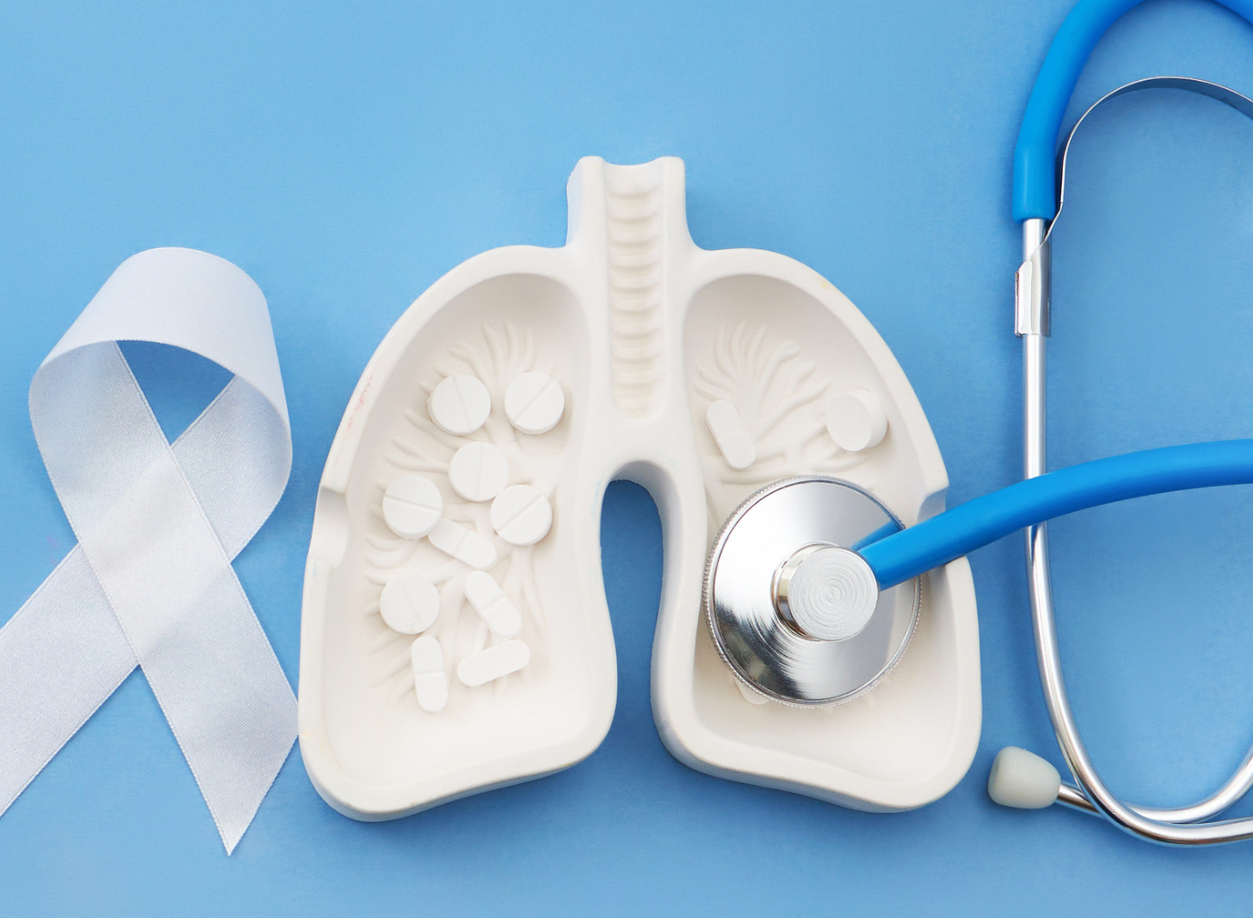
What happens when COPD gets worse?
Chronic obstructive pulmonary disease (COPD) is a long-term lung condition that causes airflow obstruction, making breathing more difficult.
Although symptoms can vary from day to day, a sudden or sustained worsening may indicate a COPD exacerbation, also called a flare-up.
A flare-up occurs when symptoms become noticeably worse than usual, sometimes because of a respiratory infection, air pollution or exposure to irritants.
You can learn more about the condition, its symptoms and treatments in Carenity's COPD fact sheet.
What are the 7 warning signs that COPD is getting worse?
1. Feeling more breathless than usual
Increased shortness of breath is one of the most important warning signs of a COPD flare-up.
You might notice that walking around the house, climbing stairs or getting dressed leaves you more breathless than usual.
If breathlessness suddenly increases or interferes with everyday activities, contact your GP or COPD healthcare team promptly.
2. A cough that becomes more frequent or intense
A persistent cough is common in COPD, but a noticeable change in coughing patterns may indicate worsening symptoms.
For example, you may find yourself coughing more often, particularly at night, or struggling to clear mucus.
Carenity explores this in COPD and persistent cough: Causes, triggers, and warning signs.
3. Changes in mucus colour, thickness or quantity
An increase in phlegm (sputum) or a change in its appearance can be another warning sign.
Mucus may become thicker, more difficult to clear or change from its usual colour to yellow or green.
These changes can sometimes suggest an infection, although mucus colour alone cannot confirm a bacterial infection or determine whether antibiotics are needed.
4. More wheezing or chest tightness
Wheezing occurs when air moves through narrowed airways, producing a whistling sound during breathing.
If wheezing becomes more noticeable or your chest feels tighter than usual, your COPD symptoms may be worsening.
Sudden severe chest tightness or chest pain, particularly with difficulty breathing, requires emergency medical attention.
5. Unusual fatigue or difficulty completing everyday tasks
Living with COPD can already make certain activities tiring.
However, a sudden increase in exhaustion, particularly alongside worsening breathlessness, may indicate a flare-up.
You may find it harder to prepare meals, walk short distances or complete activities that were previously manageable.
These changes are worth discussing with your healthcare team.
6. Fever or symptoms of a respiratory infection
Respiratory infections, including colds, influenza and pneumonia, can trigger COPD exacerbations.
Warning signs may include fever, chills, increased coughing or worsening breathlessness.
Not every COPD flare-up involves an infection, and not every infection requires antibiotics.
If you develop these symptoms, especially with worsening breathing, seek medical advice promptly.
7. Needing your reliever inhaler more often
If you find yourself using your reliever inhaler more frequently than usual, it may mean your symptoms are becoming less well controlled.
Pay attention if your usual treatment provides less relief or the effects do not last as long as expected.
Follow your personalised COPD action plan and contact your healthcare professional if your symptoms are not improving.
When should worsening COPD symptoms become an emergency?
Some changes require urgent medical attention rather than waiting for a routine appointment.
Call 999 immediately if you experience:
- Severe difficulty breathing, including gasping or being unable to speak in full sentences.
- Lips or skin turning blue, grey or unusually pale.
- Sudden confusion or severe disorientation.
- Severe chest tightness or pain, particularly if it spreads to the arms, back, neck or jaw.
- Loss of consciousness or difficulty staying awake.
These symptoms may indicate a serious medical emergency.
For increased breathlessness, coughing up blood, new palpitations or pain and swelling in one leg, seek an urgent GP appointment or contact NHS 111. Do not wait for your next routine COPD review.
What should you do if you notice signs of a COPD flare-up?
Recognising worsening symptoms early is important, but knowing what to do next matters just as much.
If you notice changes in your breathing, coughing or mucus production:
- Follow your COPD action plan: Your healthcare team may have provided instructions for managing worsening symptoms.
- Use your prescribed inhalers correctly: Check that you understand when and how to use your maintenance and reliever treatments.
- Contact your GP or respiratory team promptly: Particularly if symptoms are more severe than usual or continue to worsen.
- Monitor your symptoms: Note changes in breathlessness, coughing, sputum and daily activities.
- Avoid known triggers where possible: Including smoke, dust, strong fumes and air pollution.
Some people with COPD are prescribed a rescue pack containing oral corticosteroids or antibiotics for certain flare-ups.
However, these medicines should only be taken according to an individualised action plan agreed with a healthcare professional.
Not every COPD exacerbation requires antibiotics, and taking them unnecessarily can contribute to antibiotic resistance.
For more practical advice, read Carenity's article COPD: How can you manage it better?.
How can you prepare for your next COPD appointment?
If your symptoms have recently changed, keeping a short record can help your GP or respiratory specialist assess your condition.
Before your appointment, consider noting:
- Breathlessness: When it occurs and which activities have become more difficult.
- Coughing and mucus: Any changes in frequency, colour, thickness or quantity.
- Medication use: How often you need your reliever inhaler and whether it helps.
- Recent flare-ups: Any infections, rescue treatments, emergency visits or hospital admissions.
- Possible triggers: Such as cold weather, pollution or exposure to smoke.
You can also ask whether your inhaler technique, treatment plan, vaccinations or eligibility for pulmonary rehabilitation should be reviewed.
If you experience repeated flare-ups, your healthcare team may recommend adjustments to your treatment or additional investigations.
Living with COPD: you're not alone
Worrying about changes in breathing can be difficult, especially when symptoms affect your independence or daily routine.
The Carenity UK COPD community provides a space where people living with COPD can exchange experiences about symptoms, treatments, flare-ups and everyday challenges.
Reading other members' experiences may help you recognise questions worth raising with your doctor, although another person's symptoms or treatment response may differ from yours.
The most important thing is to know what is normal for you. A change in your usual COPD symptoms deserves attention, and seeking help early can make a difference.
Frequently Asked Questions
1. What are the first signs of a COPD flare-up?
Common early signs include increased breathlessness, more coughing, changes in mucus and greater fatigue than usual.
2. How do I know if my COPD is getting worse?
Watch for changes from your usual symptoms, particularly worsening breathlessness, reduced ability to perform daily activities and increased reliever inhaler use.
3. Can a COPD flare-up go away on its own?
Some mild flare-ups improve, but others require treatment. Follow your action plan and seek medical advice promptly if symptoms worsen.
4. Does green mucus always mean a COPD infection?
No. Green or yellow mucus can occur during a flare-up but does not automatically confirm a bacterial infection or mean antibiotics are necessary.
5. When should I go to hospital for COPD symptoms?
Call 999 for severe breathing difficulties, sudden confusion, blue or grey skin, or serious chest pain. Other worsening symptoms may require urgent GP or NHS 111 assessment.
If you found this article helpful, feel free to give it a “Like” and share your experiences or questions with the community in the comments below!
Take care!
 Facebook
 Twitter
Sources:
NHS: Chronic obstructive pulmonary disease (COPD)
Asthma + Lung UK: What is a COPD flare-up (exacerbation)?
NICE: Chronic obstructive pulmonary disease in over 16s: Diagnosis and management (NG115)
NICE: Chronic obstructive pulmonary disease (acute exacerbation): Antimicrobial prescribing (NG114)