





Why depression affects women differently
Published 24 Jul 2026 • By Candice Salomé
Constant fatigue, irritability, a loss of motivation, or the feeling that the mental load has become too much to carry… Depression does not affect everyone in the same way. In women, biological, hormonal, psychological, and social factors all appear to influence both the risk of developing depression and how it manifests in everyday life. Puberty, pregnancy, the postpartum period, menopause, social expectations, and family responsibilities can all play a role in emotional well-being.
Understanding these differences can help people recognise the signs of depression earlier and better understand how the condition may evolve over time.
Why is depression more common in women?
A higher prevalence from adolescence onwards
Studies show that depression affects women about twice as often as men. This difference generally emerges during adolescence and continues into adulthood.
Several factors appear to contribute to this disparity, including a combination of biological, hormonal, psychological, and social influences.
The role of hormones and hormonal fluctuations
Hormonal changes can influence certain neurotransmitters involved in regulating mood, such as serotonin.
Periods of hormonal transition, including the menstrual cycle, pregnancy, the postpartum period, and menopause, may be associated with greater emotional vulnerability in some women.
Greater exposure to certain psychosocial factors
Mental load, psychological or sexual violence, social inequalities, and family responsibilities may also contribute to the risk of depression.
These factors do not automatically cause depression, but they can gradually affect emotional well-being over time.
Symptoms can sometimes look different or be less visible
Distress that may show itself in different ways
For some women, depression can involve profound sadness, but it may also present as irritability, emotional exhaustion, or the feeling of being constantly at breaking point.
Emotional and mental fatigue often becomes one of the most overwhelming aspects of living with the condition.
The weight of guilt and self-imposed expectations
Many women describe a strong sense of guilt when they can no longer manage everyday life as they once did.
This internal pressure can delay seeking help or reinforce feelings of personal failure.
A condition that can be hidden behind everyday life
Depression may also remain hidden behind daily responsibilities. Some people continue to work, care for others, and simply keep going, despite experiencing significant psychological distress.
This invisibility can make depression more difficult to recognise, both for the person experiencing it and for those around them.
Depression, hormones, and key stages of life
The postpartum period: A particularly vulnerable time
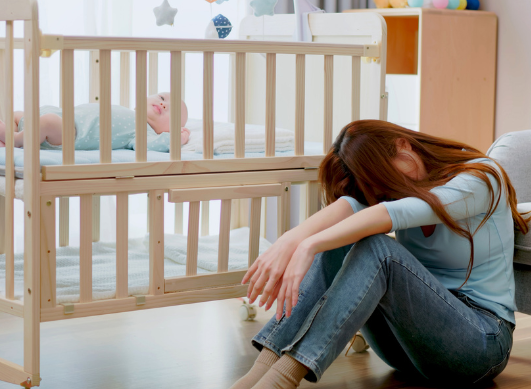
After childbirth, hormonal changes, sleep deprivation, and the challenges of adjusting to parenthood can all affect mental health.
Postpartum depression is much more than the temporary baby blues and can have a profound impact on emotional well-being and family life.
Menopause and emotional changes
Perimenopause and menopause involve significant hormonal changes that can affect sleep, energy levels, and mood.
For some women, this stage of life may coincide with worsening symptoms of anxiety or depression.
A different course depending on life stage
Depression does not follow a linear path. Some stages of life may be more vulnerable than others, while some women experience isolated episodes and others have relapses spread over many years.
This variability is a reminder that every person's experience is unique.
Treatment and looking ahead
A holistic approach to treatment
Managing depression may involve a combination of approaches, including psychotherapy, antidepressant medication, social support, or care tailored to specific stages of life.
The goal is to reduce emotional distress and gradually improve quality of life.
The importance of recognising emotional distress
Putting feelings into words can be an important first step.
Understanding that depression is a medical condition, not a lack of willpower, often helps people develop a more compassionate view of themselves.
Recognising the illness can also make it easier to talk openly with loved ones.
A growing understanding of women's mental health
Research into women's mental health continues to advance, particularly regarding the role of hormones, social factors, and life events.
This growing knowledge is helping to improve care and make treatment more personalised.
FAQ: Depression in women
Why is depression more common in women?
Because several biological, hormonal, and psychosocial factors appear to increase the risk.
Can hormones influence depression?
Yes. Certain hormonal fluctuations can affect mood in some women.
What is postpartum depression?
It is a form of depression that develops after childbirth and is much more serious than the temporary baby blues.
Can menopause contribute to depression?
For some women, the hormonal changes associated with menopause can affect mood and sleep.
Are there effective treatments?
Yes. Treatment may include psychotherapy, medication, and personalised support, depending on each person's needs.
If you found this article helpful, feel free to give it a “Like” and share your thoughts and questions with the community in the comments below!
Take care!
 Facebook
 Twitter
Sources :
Albert PR. Why is depression more prevalent in women? J Psychiatry Neurosci. 2015 Jul;40(4):219-21. doi: 10.1503/jpn.150205. PMID: 26107348; PMCID: PMC4478054.
Salk RH, Hyde JS, Abramson LY. Gender differences in depression in representative national samples: Meta-analyses of diagnoses and symptoms. Psychol Bull. 2017 Aug;143(8):783-822. doi: 10.1037/bul0000102. Epub 2017 Apr 27. PMID: 28447828; PMCID: PMC5532074.
Eid RS, Gobinath AR, Galea LAM. Sex differences in depression: Insights from clinical and preclinical studies. Prog Neurobiol. 2019 May;176:86-102. doi: 10.1016/j.pneurobio.2019.01.006. Epub 2019 Feb 2. PMID: 30721749.
Albert KM, Newhouse PA. Estrogen, Stress, and Depression: Cognitive and Biological Interactions. Annu Rev Clin Psychol. 2019 May 7;15:399-423. doi: 10.1146/annurev-clinpsy-050718-095557. Epub 2019 Feb 20. PMID: 30786242; PMCID: PMC9673602.
Bromberger JT, Epperson CN. Depression During and After the Perimenopause: Impact of Hormones, Genetics, and Environmental Determinants of Disease. Obstet Gynecol Clin North Am. 2018 Dec;45(4):663-678. doi: 10.1016/j.ogc.2018.07.007. Epub 2018 Oct 25. PMID: 30401549; PMCID: PMC6226029.