World Diabetes Day 2026: Why recognising the early signs of diabetes matters
Published 12 Nov 2026 • By Razarutheen Mustafa
What if recognising a few seemingly ordinary symptoms could make a difference to someone's health? Excessive thirst, frequent trips to the toilet or unusual tiredness may be easy to overlook. Yet, for some people, they can be early warning signs of diabetes.
Every year on 14 November, World Diabetes Day raises awareness of diabetes, its complications and the importance of accessible care. In 2026, the message is particularly important: acting early can make a difference.
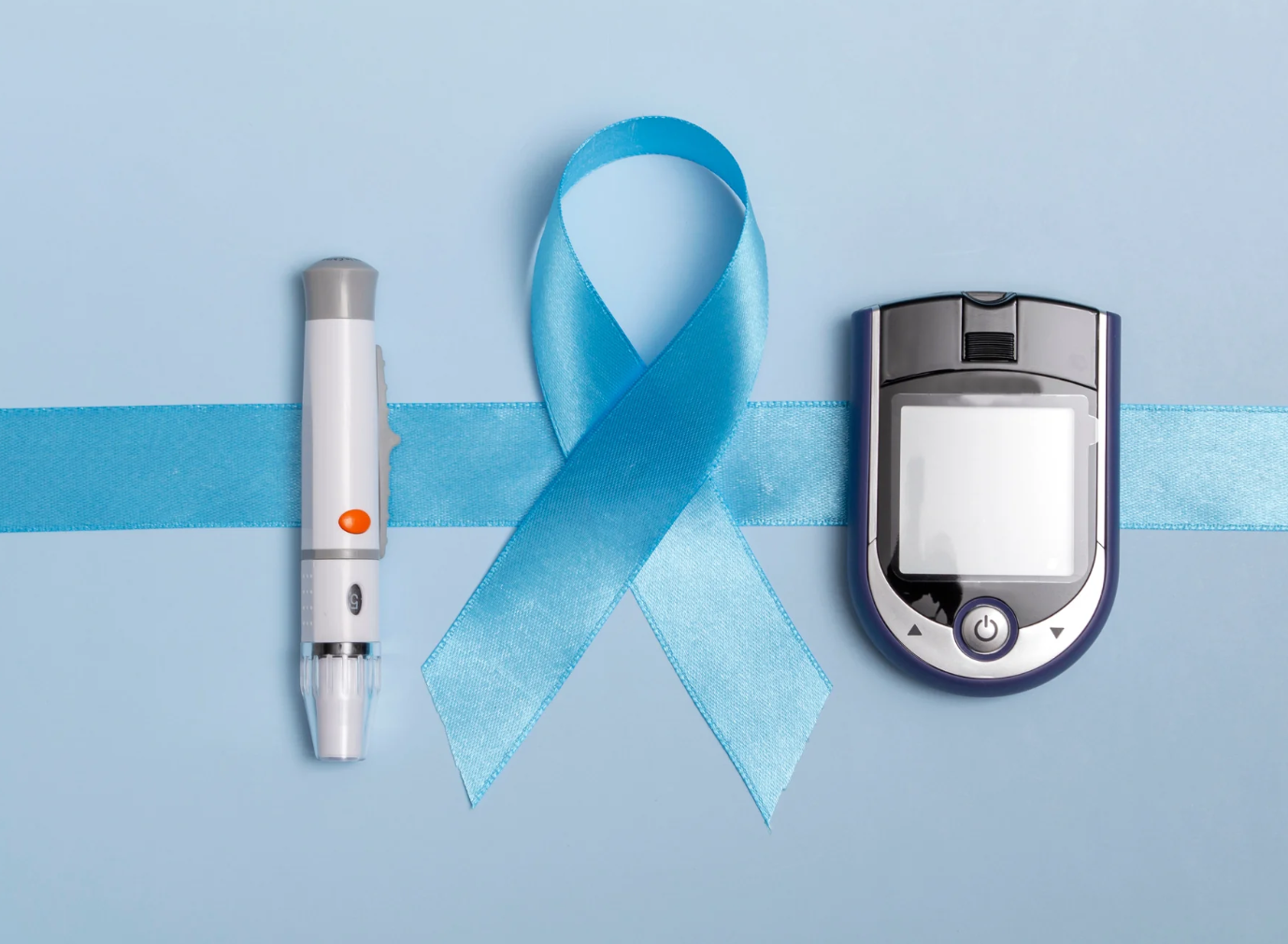
What is World Diabetes Day and why is it celebrated?
World Diabetes Day, observed annually on 14 November, is a global awareness campaign led by the International Diabetes Federation (IDF) with support from the World Health Organization (WHO).
The date marks the birthday of Sir Frederick Banting, who co-discovered insulin alongside Charles Best in 1921.
The day brings attention to type 1 diabetes, type 2 diabetes, early diagnosis, diabetes prevention and access to treatment.
According to the IDF, approximately 589 million adults worldwide are living with diabetes, and many remain undiagnosed.
Behind these figures are people managing a condition that can affect their health, work, relationships and everyday routines.
What is the theme of World Diabetes Day 2026?
The official theme for World Diabetes Day 2026–2027 is “Early action on diabetes.”
The campaign highlights three important priorities:
- Recognising symptoms early: Helping people identify possible warning signs and seek medical advice.
- Reducing the risk of type 2 diabetes: Improving access to screening, reliable information and preventive support.
- Ensuring timely care: Making diagnosis, treatment and ongoing diabetes management accessible to everyone.
Early diagnosis can help prevent emergencies and reduce the risk of long-term complications affecting the heart, kidneys, eyes and nerves.
However, early action is not only an individual responsibility. Access to healthcare, affordable treatments and supportive environments also matters.
What are the early warning signs of diabetes?
The symptoms of diabetes can vary depending on the type and the person.
Common early symptoms of diabetes include:
- Feeling unusually thirsty.
- Urinating more frequently, particularly at night.
- Persistent tiredness or fatigue.
- Unexplained weight loss.
- Blurred vision.
- Slow-healing wounds or recurring infections.
Type 1 diabetes can develop quickly and occur at any age. It is an autoimmune condition and cannot currently be prevented through lifestyle changes.
Type 2 diabetes often develops more gradually and may cause few or no noticeable symptoms.
If you experience possible symptoms, contact your GP for an assessment and appropriate blood tests.
When can diabetes symptoms become an emergency?
Some symptoms require immediate medical attention.
Diabetic ketoacidosis (DKA) is a potentially life-threatening complication caused by a severe lack of insulin. It is more common in type 1 diabetes but can also occur in type 2 diabetes.
Warning signs include vomiting, abdominal pain, rapid or deep breathing, fruity-smelling breath and confusion.
If DKA is suspected, seek emergency medical care immediately.
For more information, read Carenity's article Diabetic Ketoacidosis (DKA): Early Warning Signs and Emergency Symptoms.
Can type 2 diabetes be prevented?
Not every case of type 2 diabetes can be prevented. Genetics, age, medical history and environmental factors all influence risk.
However, for some people at increased risk, lifestyle changes can help delay or prevent type 2 diabetes.
These may include regular physical activity, balanced meals, reducing prolonged inactivity and managing weight where clinically appropriate.
If you have risk factors such as a family history of type 2 diabetes, high blood pressure or previous gestational diabetes, ask your GP whether a diabetes risk assessment or blood glucose test would be appropriate.
Preventing type 2 diabetes should never be framed as a matter of willpower or personal blame. Everyone deserves access to appropriate information and support.
Living with diabetes: why awareness should go beyond blood sugar
For people already living with diabetes, early action also means recognising changing needs and receiving appropriate ongoing care.
Managing diabetes may involve medication, blood glucose monitoring, meal planning, medical appointments and decisions about physical activity.
Some people use continuous glucose monitors (CGMs) or insulin pumps to support their treatment.
You can learn how these devices work in Carenity's article Insulin Pumps and Glucose Sensors: How Do They Work?.
The emotional side matters too. Constant monitoring and treatment decisions can sometimes contribute to diabetes distress or burnout.
Feeling overwhelmed does not mean someone has failed to manage their condition. It may mean they need additional practical or emotional support.
World Diabetes Day is also an opportunity to challenge misconceptions about diabetes and recognise the experiences of those living with it.
What can you do this World Diabetes Day?
Whether you live with diabetes, care for someone who does or simply want to learn more, there are meaningful ways to participate.
- Learn the warning signs: Recognising possible symptoms may encourage someone to seek timely care.
- Review your health: If you have diabetes, discuss any changing symptoms or treatment difficulties with your healthcare team.
- Share reliable information: Help challenge diabetes myths and stigma.
- Listen to lived experiences: Understanding everyday challenges can make conversations more supportive.
If you have diabetes, consider preparing a few notes before your next appointment: recent glucose patterns, episodes of high or low blood sugar, medication concerns, fatigue, emotional wellbeing and questions about complications or routine screening.
These details can help your GP or diabetes specialist understand what support you may need.
World Diabetes Day: sharing experiences with Carenity
A diagnosis can raise many questions, and people living with diabetes often learn useful practical lessons from one another.
The Carenity community offers spaces for people living with type 1 diabetes and type 2 diabetes to discuss symptoms, treatments and everyday life.
You can also explore the member discussion Diabetes type 2: How have you been lately?, where members share how they are managing their condition.
Reading other people's experiences may help you identify questions for your healthcare team, although treatment decisions should always be based on individual medical advice.
This World Diabetes Day, the message is simple: recognising symptoms, seeking timely care and supporting people living with diabetes can make a meaningful difference. Awareness matters not only on 14 November, but throughout the year.
Frequently Asked Questions
1. When is World Diabetes Day 2026?
World Diabetes Day takes place on 14 November 2026, as it does every year.
2. What is the theme of World Diabetes Day 2026?
The official theme is “Early action on diabetes”, focusing on early diagnosis, risk reduction and access to care.
3. What are the first signs of diabetes?
Common symptoms include excessive thirst, frequent urination, tiredness, unexplained weight loss and blurred vision.
4. Can type 2 diabetes be prevented?
Some cases can be delayed or prevented through appropriate lifestyle changes and early support. Type 1 diabetes cannot currently be prevented through these measures.
5. How can I participate in World Diabetes Day?
You can learn about diabetes symptoms, share reliable information, challenge stigma and support people living with diabetes.
If you found this article helpful, feel free to give it a “Like” and share your thoughts or experiences with the community in the comments below!
Take care!
 Facebook
 Twitter
Sources:
International Diabetes Federation: World Diabetes Day 2026–2027: Early action on diabetes
World Health Organization: World Diabetes Day 2026
International Diabetes Federation: World Diabetes Day official website

Comments
You will also like


Diabetes: Discrimination, Professional Life, Plan Ahead... What do patients say?
9 Nov 2018 • 13 comments